
Reducing Pb-212 QC from hours to minutes
24/09/2026
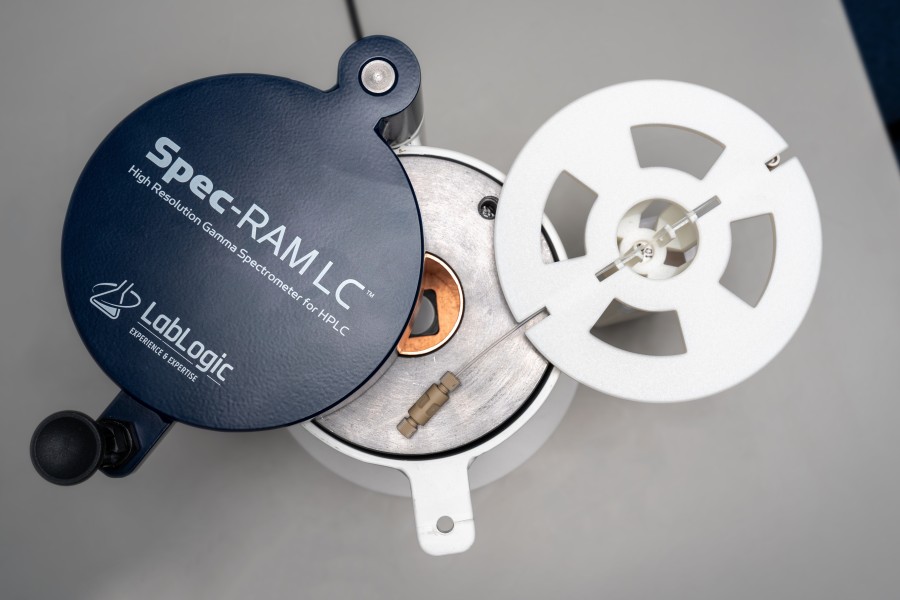
The Spec-RAM LC has superseded fraction collection in the development of Alpha Radioligand Therapies
The growing development of Alpha Radioligand Therapies (ARTs) using 212Pb and its alpha-emitting daughter 212Bi is creating new demands for fast, reliable Quality Controls. With a half-life of approximately 10.6 hours, 212Pb presents unique analytical challenges, making efficiency a critical factor during the development and manufacturing process. Traditional fraction collection has long been used for radio-HPLC analysis, but many laboratories are now adopting in-line radioactivity detection using LabLogic’s Spec-RAM LC to accelerate batch release.
The challenges of working with 212Pb
The relatively short half-life of 212Pb means radiopharmaceutical developers must maximise the available activity for patient administration, making fast QC necessary.
Traditional fraction collection can be particularly challenging when analysing 212Pb-labelled compounds. Peaks may co-elute, making interpretation more difficult, while the collection, storage, counting, and processing of fractions makes analyses lengthy. In some cases, laboratories may wait several hours before obtaining complete results, delaying batch release and reducing the available activity of the final product. These challenges become even more pronounced when scaling production, when large numbers of fractions and gamma counters are needed.
Real-time in-line radioactivity detection
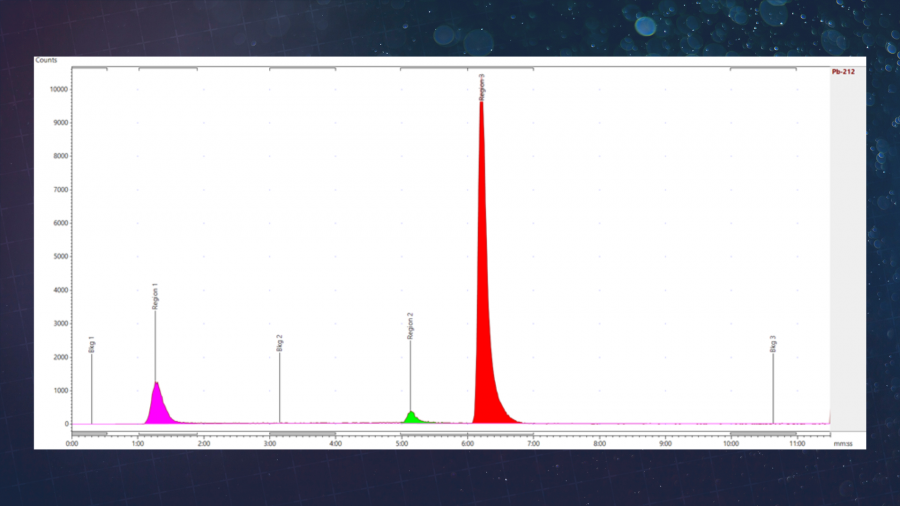
Fig 1: RCP measured at 83 % using online "total gamma" radio-HPLC detection or fraction collection and immediate gamma counting.
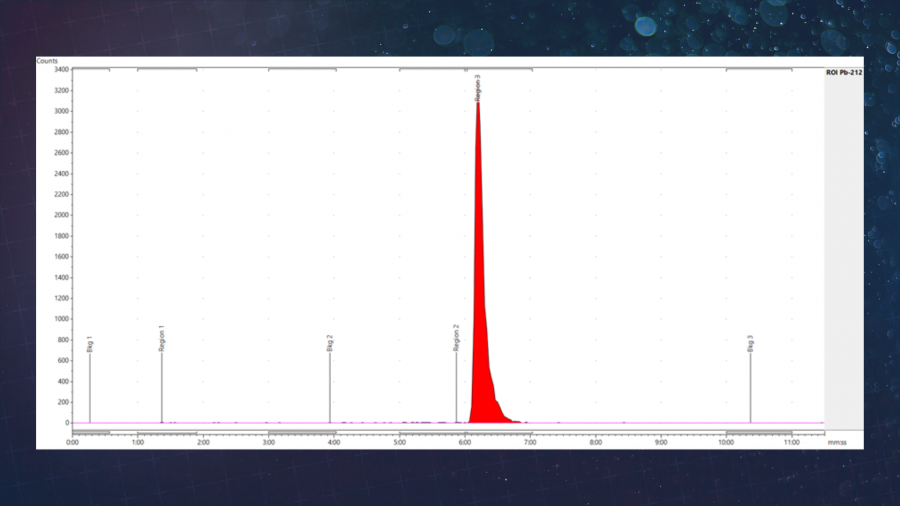
Fig 2: RCP measured at 99 % using the new Spec-RAM LC.
The Spec-RAM LC provides real-time in-line radioactivity detection directly from the HPLC system, eliminating the need for fraction collection and subsequent gamma counting. Instead of waiting hours for results, users can obtain a complete chromatogram within minutes of the run finishing.
By removing the manual steps associated with fraction collection, laboratories can redirect resources towards important activities such as method development.
A safer alternative to traditional fraction collection
In addition to reducing analysis time, in-line detection is proving much safer. Conventional fraction collection requires the manual handling and capping of multiple vials containing radioactive material, all of which must be counted, stored, and ultimately disposed of, increasing the risk of contamination, spills, and unnecessary exposure.
Additionally, fewer consumables are required, and less radioactive waste is generated.
Find out more
You can learn more about the Spec-RAM LC by clicking the button below to speak to a product specialist directly and requesting a demonstration.